
Abstract
This is an accepted article with a DOI pre-assigned that is not yet published.
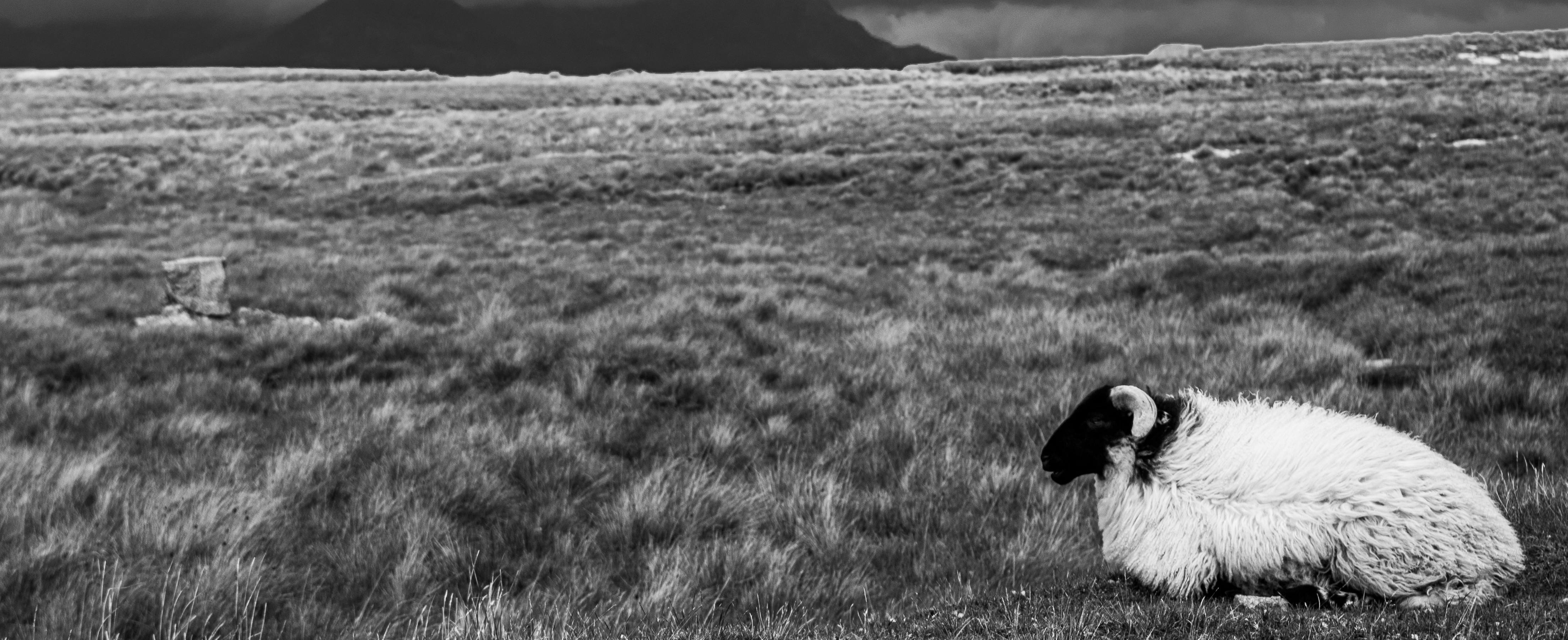
In this introduction to ‘Radical Intimacies: A Multispecies Politics of Care and Kinship,’ we ask what becomes possible to know about nonhuman animals only from within relationships of care sustained over time. Drawing on six essays – about a flock of sheep, an aged pig, a three-legged greyhound, two orphaned Wood ducklings, two dingoes, and a month of human and nonhuman loss – we propose radical intimacy as a method, a deeper way of knowing, and a more attentive way of living. Working against systems of harm that reduce animals to commodities, pests, or populations to be managed, radical intimacy goes to the root of what it means to care, attending to individuals whether they are together over a shared lifetime or, like orphaned wildlife, only until they can return to the wild. Radical intimacy does not assume that closeness and proximity are good or owed to humans. It asks whether attempts to know another might be forms of taking, and it honors animals’ refusals, withdrawals, and desire for distance. Across the essays, what radical intimacy makes known takes three shapes: attention and trust, restraint and refusal, and inheritance and loss. These storied lives of individual animals in relation refuse abstraction, politicizing and rejecting the violence to which animals are so often exposed. In the process, our contributors ruminate on what care and kinship might look like in futures of multispecies flourishing.
Keywords: radical intimacy, multispecies care, kinship, sanctuary, storytelling